
Digital Dental X-Rays in Fresno, CA
Dental X-rays help dentists identify oral health concerns that may not be visible during a regular examination. At Prabhdeep K. Gill, DDS, digital dental X-rays support preventive care and help Dr. Prabhdeep K. Gill evaluate teeth and surrounding structures when additional diagnostic information is needed. These images can help identify cavities, changes in bone levels, and other dental concerns so patients can better understand their oral health and discuss appropriate treatment options. For more information, contact us or schedule an appointment online today! We are conveniently located at 7215 N First St Suite 107 Fresno CA 93720.
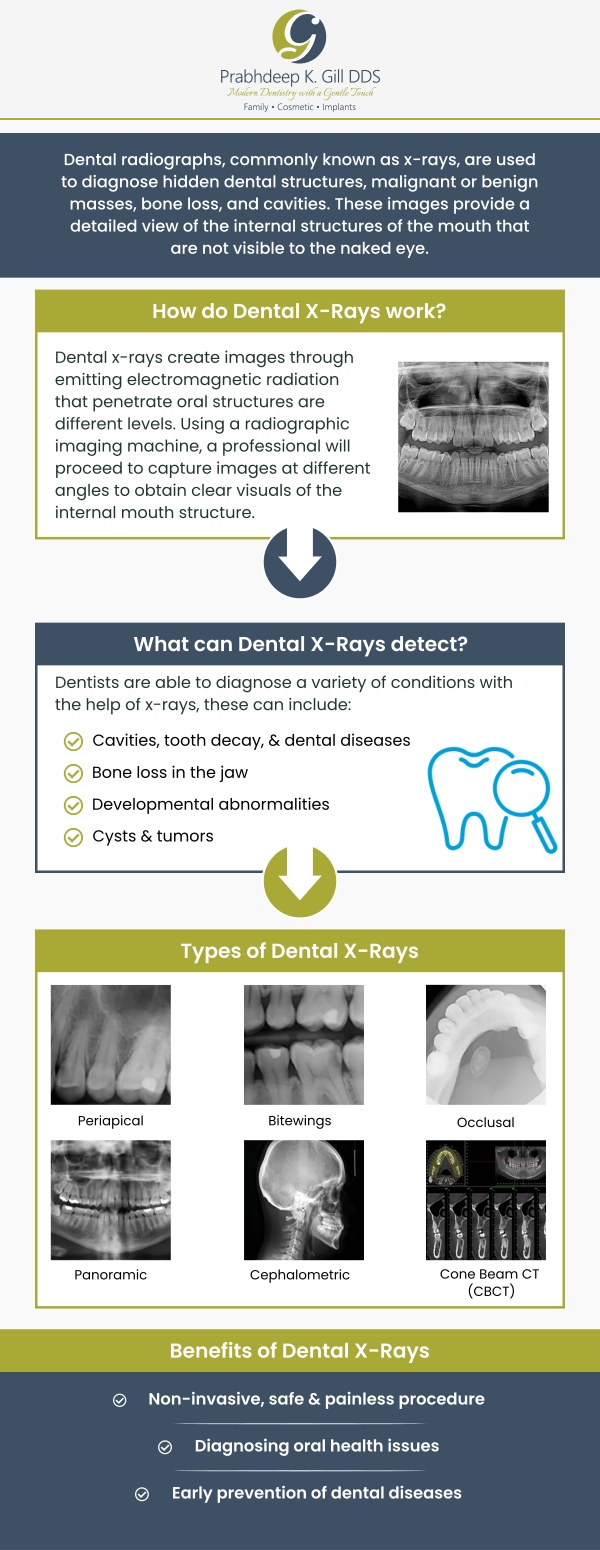
Table of Contents:
What are digital dental X-rays?
Are digital dental X-rays safer?
What are the benefits of digital dental X-rays?
What is the difference between a digital dental X-ray and a normal X-ray?
How often should you get dental X-rays?
Can digital dental X-rays detect cavities?
Do digital dental X-rays hurt?
Are dental X-rays safe during pregnancy?
Do children need digital dental X-rays?
Support Your Dental Health With Dr. Prabhdeep K. Gill in Fresno, CA
Medical references
Digital dental X-rays are diagnostic images that use electronic sensors instead of traditional photographic film to capture pictures of the teeth, roots, and supporting bone. They allow dentists to examine areas that may be difficult to see during a visual dental examination.
At Prabhdeep K. Gill, DDS, digital X-rays are part of the available dental services. Dr. Gill can use these images, along with a clinical examination and dental history, to evaluate concerns such as tooth decay, bone changes, and other conditions affecting oral health.
Digital images can also be stored electronically, making it easier to review previous images and compare changes over time when clinically appropriate.
Digital dental X-rays use a small amount of ionizing radiation. They may require less radiation exposure than traditional film-based imaging, depending on the equipment and settings used. However, digital imaging does not eliminate radiation exposure.
Dental X-rays are generally considered safe when performed appropriately and when the diagnostic benefits outweigh the potential risks. The American Dental Association (ADA) recommends taking images only when clinically necessary and following radiation-reduction practices.
At Prabhdeep K. Gill, DDS, dental imaging should be considered alongside each patient’s oral health needs. Patients should also inform Dr. Gill about pregnancy, relevant medical conditions, and previous dental imaging so these factors can be considered when deciding whether additional X-rays are needed.
Digital dental X-rays offer several benefits for preventive and diagnostic dental care:
• Early detection: Help identify cavities, infections, and other dental concerns that may not be visible during a routine examination.
• Clear images: Provide electronic images that can be enlarged or adjusted to help evaluate specific areas.
• Lower radiation potential: Digital sensors can help reduce radiation exposure compared with conventional film when appropriate settings and techniques are used.
• Convenient image storage: Digital records make it easier to retrieve and compare previous dental images.
• Better treatment planning: Gives Dr. Gill additional information when evaluating dental concerns and discussing appropriate treatment options.
These benefits help support informed decisions about preventive care, fillings, crowns, and other restorative dental services when indicated.
The main difference between a digital dental X-ray and a traditional dental X-ray is how the image is captured and processed.
Traditional dental X-rays use film that must be developed to produce an image. Digital dental X-rays use electronic sensors to capture images that can be viewed on a computer.
Both methods use X-ray radiation to show internal structures of the teeth and surrounding areas. However, digital imaging offers several practical advantages:
• Image processing: Digital images can be enlarged and adjusted for easier viewing.
• Image storage: Images can be stored electronically rather than in physical film files.
• Radiation exposure: Digital systems may use lower radiation doses than traditional film systems.
• Image sharing: Electronic images can be transferred more conveniently when coordination with another dental provider is needed.
The choice of imaging should depend on the diagnostic information required and the patient’s individual dental needs.
Frequently asked questions
The frequency depends on your oral health, age, history of cavities, and risk of dental disease. Some patients may need X-rays more often than others, while others may not need them at every dental visit.
Yes. Digital dental X-rays can help detect cavities between teeth and beneath existing restorations that may not be visible during a regular dental examination.
No. Taking digital dental X-rays is generally painless. Some patients may experience temporary discomfort from the sensor placement inside the mouth, particularly if they have a sensitive gag reflex.
Dental X-rays may be performed during pregnancy when clinically necessary. Patients should inform their dentist about pregnancy so the need for imaging and appropriate radiation-safety measures can be considered.
Children may need dental X-rays to evaluate developing teeth, detect cavities, and identify other oral health concerns. The dentist determines whether imaging is necessary based on the child’s age, dental development, examination findings, and risk of disease.
Dr. Prabhdeep K. Gill, DDS, provides preventive, cosmetic, and restorative dental care with attention to each patient’s individual oral health needs. Through routine dental examinations and digital dental X-rays when clinically appropriate, Dr. Gill can evaluate teeth and supporting structures, identify potential concerns, and help patients understand their dental health.
Whether you need a routine checkup or have concerns about tooth pain, cavities, or other dental changes, Dr. Gill can assess your needs and discuss appropriate next steps. Her approach focuses on helping patients make informed decisions about preventive care and maintaining healthy smiles.
Check Out Our 5 Star Reviews

Additional Services You May Need
▸ Cosmetic Dentistry
▸ Dental Implants
▸ Crowns & Bridges
▸ Invisalign
▸ Tooth Restoration
▸ Maxillofacial Surgery
▸ Prosthodontics
▸ Dental Checkups and Cleaning
▸ Teeth Whitening
▸ Oral Cancer Screening
▸ Veneers
▸ Tooth Replacement
▸ Gum Disease
▸ Sports Guards
▸ Bruxism
▸ Night Guard
▸ Gingivitis Treatment
▸ Fillings
▸ Dentures
▸ Preventative
▸ Dental Emergencies
▸ General Dentistry
▸ Digital X-Rays






 Send Text
 How May I Help You?